3 min read
Ecommerce Returns Management: A Process That Keeps Customers
Ecommerce returns management that keeps customers: policy, refund rules, self service returns, warehouse handling, prevention and fraud.
By Juan Molina
On this page
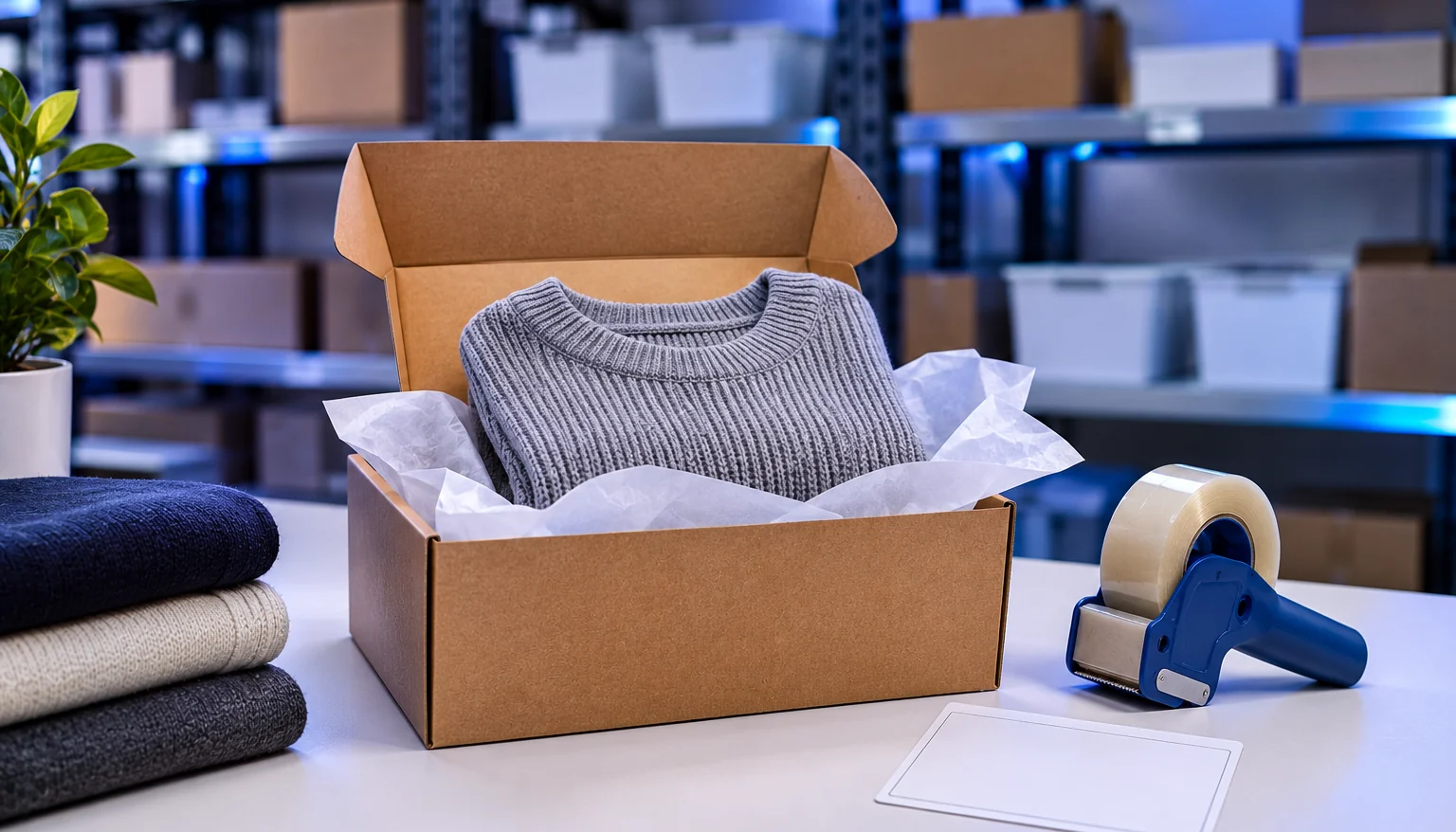
Ecommerce returns management is the process of taking products back, deciding what happens to them and getting the customer their refund or exchange without losing them as a customer. Done badly, returns cost you twice: once in money and once in trust. Done well, a smooth return is often what earns the next order. It starts with clear order management.
Here is how I would set up returns for a growing store.
Write A Return Policy People Can Understand
Your policy is a promise. Keep it short, specific and easy to find from the product page, the cart and the order email.
- How many days customers have to start a return.
- What condition items must be in.
- Which items cannot be returned.
- Who pays for return shipping.
- When and how refunds are issued.
Know Your Refund Obligations
Refunds are not only a policy choice. If you cannot ship an order on time, the FTC's business guide to the Mail, Internet or Telephone Order Merchandise Rule explains when you must offer a refund. The rule itself is published in the FTC's legal library.
Make Starting A Return Self Service
Customers should not have to email you to start a return. A simple returns page where they enter an order number, pick the items and choose a reason saves your team time and gives you data.
- Order lookup by email and order number.
- A required return reason with clear choices.
- A printable label or drop off instructions.
- An offer to exchange before refunding.
Our shipping software page covers how labels and tracking fit in.
Ecommerce Returns Management In The Warehouse
When the box comes back, decide quickly what happens to each item.
- Inspect and grade the item.
- Restock it, refurbish it, sell it as open box or write it off.
- Update inventory the moment it is restocked.
- Refund or ship the exchange once it is checked in.
Inventory accuracy matters here, which is why returns belong in the same system as your inventory management. If a partner handles fulfillment, see third party logistics for how returns work with a 3PL.
Prevent The Returns You Can
The cheapest return is the one that never happens. Return reasons tell you what to fix.
- Sizing issues: better size charts and fit notes.
- Not as pictured: more photos and honest descriptions.
- Arrived damaged: better packaging.
- Wrong item: fix picking and packing.
Good product data helps a lot. I wrote about it in product information management.
Watch For Return Fraud
A small share of returns are abuse: empty boxes, swapped items, serial returners. Track returns by customer and flag patterns before refunding automatically. Some disputes also turn into chargebacks, covered in chargeback prevention and ecommerce fraud prevention.
Measure And Improve
Track return rate by product, reason and customer, and the time from request to refund. A product with a high return rate is either described wrong or should not be sold. Our analytics software page explains the reports we use, and our ecommerce consulting team can help you set up the process.
If you are building or moving your store, see our features or talk to us.
Common Questions
Should returns be free?
Free returns can lift sales, but they cost money. Many stores offer free exchanges and charge for refunds, or offer free returns only to members or on certain products. Choose what your margins can carry and say it clearly.
How fast should refunds be issued?
As soon as the item is received and checked. Slow refunds are one of the most common reasons customers complain and file disputes, so a fast, predictable refund is worth more than it costs.
Should I offer store credit instead of refunds?
Offering store credit as an option, sometimes with a small bonus, can keep the revenue in your store. Forcing credit when customers expect a refund usually backfires.
The Short Version
- Write a short, clear return policy.
- Know when refunds are required.
- Let customers start returns themselves.
- Inspect, restock and refund quickly.
- Use return reasons to prevent the next return.
- Watch for fraud and measure everything.
Juan Molina
DashForDevs