3 min read
Multi Vendor Marketplace Software: What You Actually Need
What multi vendor marketplace software needs: seller onboarding, split payouts, product data, orders across sellers and whether to buy or build.
By Juan Molina

On this page
Multi vendor marketplace software lets many sellers list products in one store while you run the platform, take a commission and handle the customer experience. It is a powerful model and a hard one to build, because every order can involve several sellers, several shipments and several payouts. Before you choose a tool or start custom ecommerce software development, it helps to know exactly which pieces a marketplace needs.
Here is how I would evaluate marketplace software, piece by piece.
Seller Onboarding And Approval
A marketplace is only as good as its sellers. You need a way to invite, vet and approve them before they can list anything.
- A seller application with the details you need.
- Identity and business verification before payouts.
- Rules for what each seller may list.
- A way to pause or remove a seller quickly.
Split Payments And Payouts
This is the hardest part of any marketplace. When a customer pays once for items from three sellers, the money has to be divided, your commission taken and each seller paid on schedule.
Payment processors offer tools built for this. Stripe's Connect documentation shows how platforms route payments to connected accounts. Payouts also bring tax reporting: the IRS explains Form 1099-K, which payment platforms issue for seller earnings.
- Commission rules per seller or per category.
- A payout schedule sellers can see.
- Holds for returns and disputes before release.
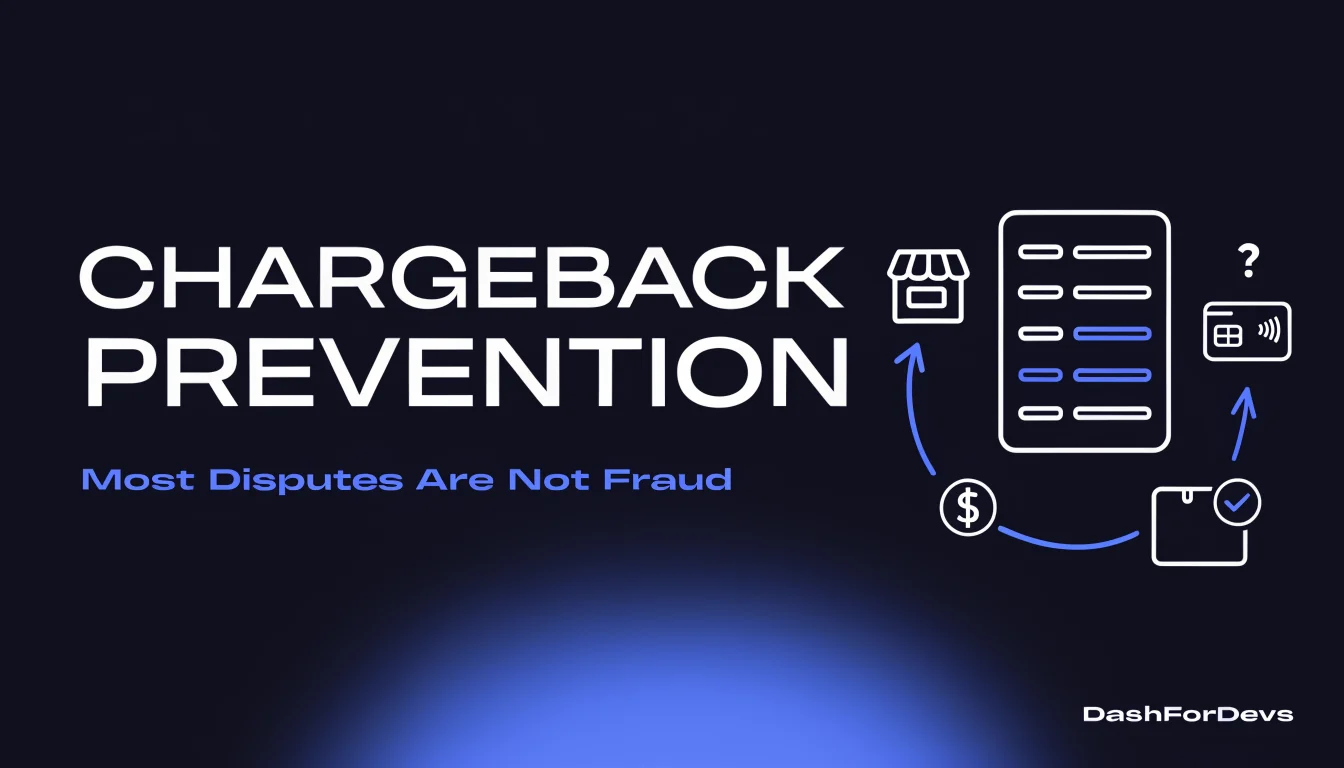
Disputes need a plan too. I covered the basics in chargeback prevention.
Catalog And Product Data
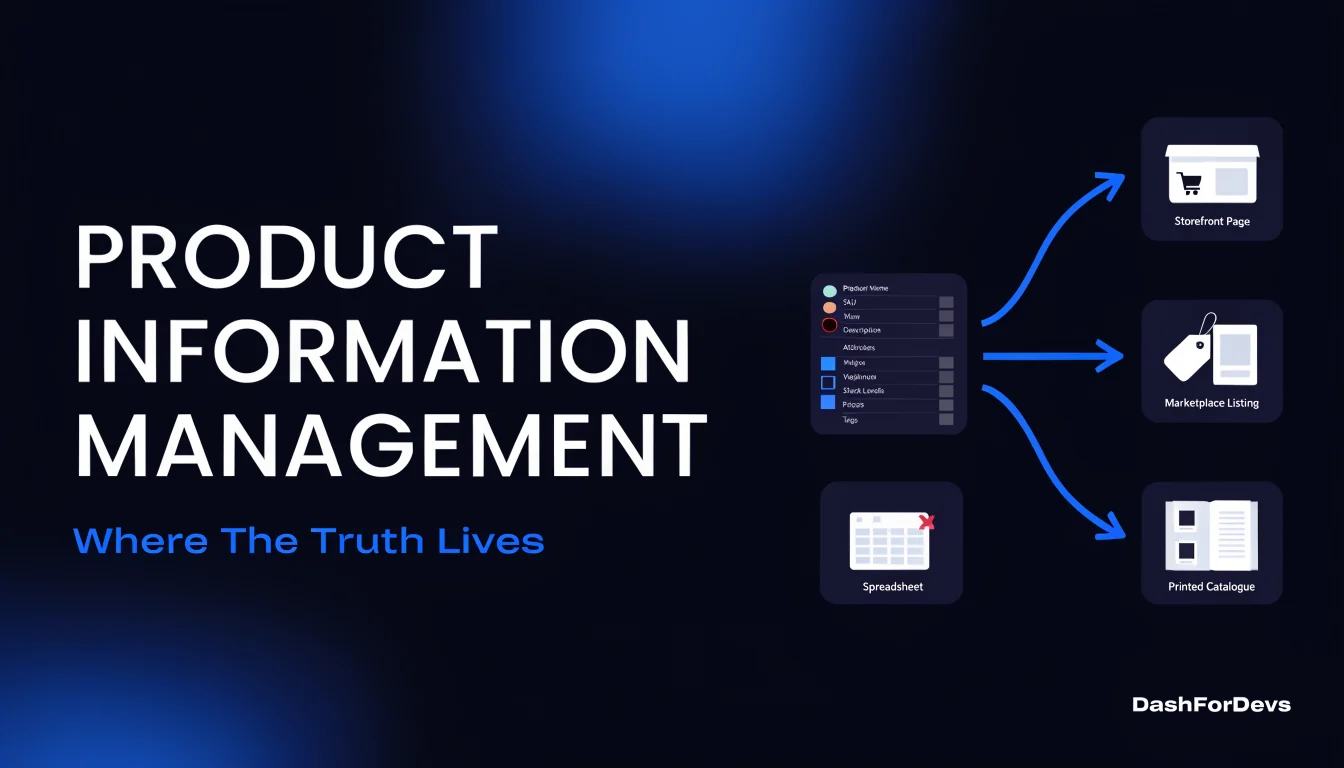
When many sellers add products, quality slips fast. Set required fields, image standards and category rules from day one. Good product information management keeps listings consistent, and good site search helps buyers find the right seller's version.
Orders, Shipping And Returns Across Sellers
One customer order can become several shipments. The software needs to split orders by seller, give each seller only their part and show the customer one clear order history.
- Per seller fulfillment and tracking.
- Returns routed to the right seller.
- One order page for the customer, however many sellers.
Our order management and shipping software pages explain how we think about this.
Multi Vendor Marketplace Software For Your Model
Not every marketplace is the same. A wholesale marketplace needs price lists and minimum orders. A curated retail marketplace needs strict approval. A service marketplace needs bookings instead of shipping. Choose software that fits the model, or build around it. We cover wholesale specifically in B2B ecommerce development and on our wholesale and B2B page.
Buy Or Build?
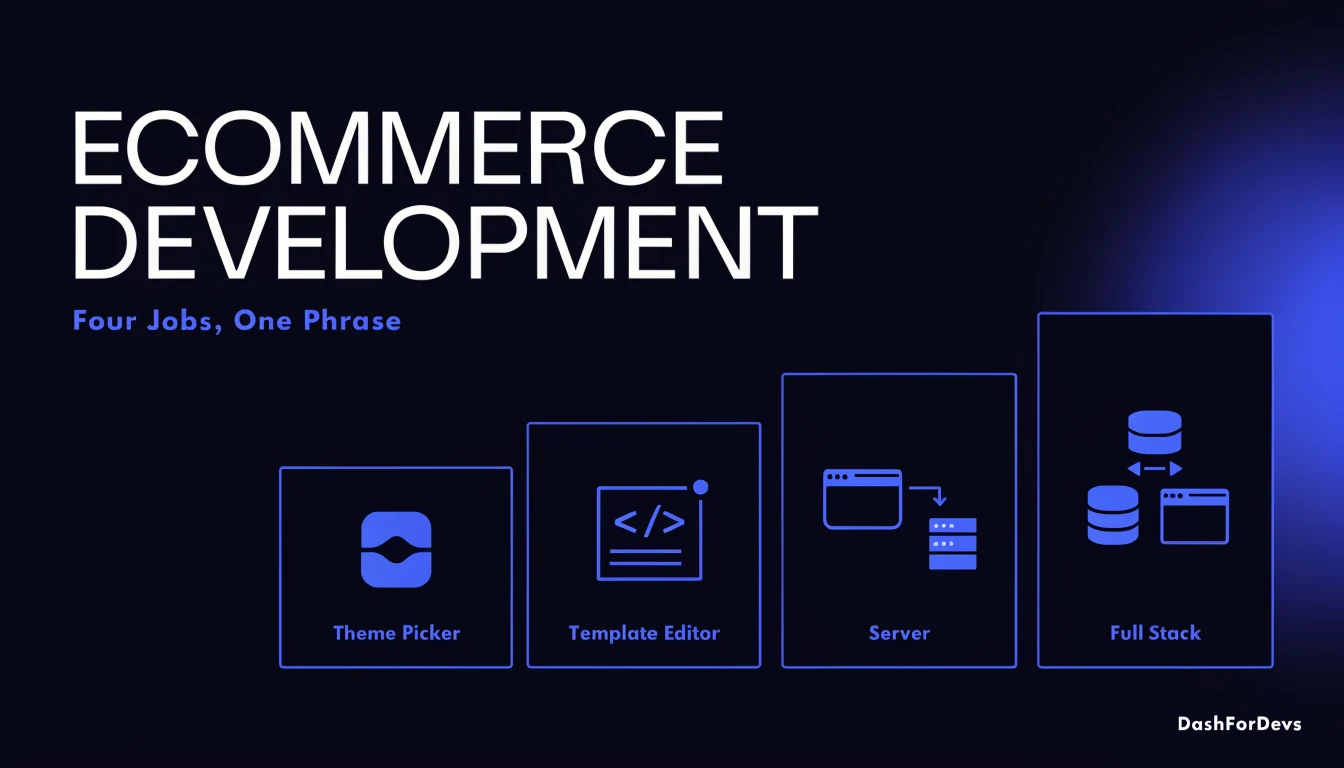
Off the shelf marketplace platforms are quick to start but can box you in when your commission rules, payouts or seller tools need to be different. A custom marketplace on a strong backend takes longer but fits your model exactly. I wrote about the tradeoffs in ecommerce development.
If you have developers, our approach to a backend for developers explains how a team can build marketplace features without starting from zero.
Questions To Ask Before You Choose
- How are payments split, and who holds funds before payout?
- How are sellers verified and taxed?
- How do multi seller orders, shipping and returns work?
- Can commission rules change by seller or category?
- Who owns the customer data?
If you want to talk through your marketplace idea, see our ecommerce consulting or contact us.
Common Questions
How do marketplaces make money?
Most take a commission on each sale. Some also charge sellers a listing or subscription fee, sell advertising inside the marketplace or offer paid services like fulfillment.
Who handles customer service in a marketplace?
That is a choice you make up front. Many marketplaces handle the first contact so buyers get one consistent experience, then route product questions and returns to the right seller.
Can a marketplace start small?
Yes. Many start with a handful of hand picked sellers and a simple commission rule, then add self service onboarding and more seller tools as they grow.
The Short Version
- Vet sellers before they can sell.
- Solve split payments and payouts first.
- Set product data rules from day one.
- Split orders, shipping and returns by seller.
- Match the software to your marketplace model.
Juan Molina
DashForDevs