About4 min read
High Risk Payment Processing: How To Get Approved And Stay Processed
What high risk payment processing is, why mainstream processors say no, what it costs, and how to get approved and stay processed without a frozen account.
By Juan Molina

On this page
What High Risk Payment Processing Is
High risk payment processing is card processing for businesses that mainstream processors will not take, or will take only with extra conditions. The label comes from the acquiring bank's risk model: chargebacks, regulation, delivery delays and transaction patterns. It usually means higher rates, a rolling reserve and slower underwriting. It does not mean you are doing anything wrong. I wrote about the label itself in what is a high risk merchant. This post is about the practical side: getting processed, staying processed and keeping the cost down.
Not legal or financial advice. Processor terms change often, so check every point here against the current terms of the provider you are talking to.
Why Mainstream Processors Say No
The flat rate processors built into most hosted carts publish lists of businesses they will not support. Stripe's restricted businesses list, for example, names cannabis products, cannabis dispensaries and CBD products above the local legal THC limit. Other processors have similar lists. If your catalog lands on one, the account can be closed after you have already taken orders, and the funds can be held while they review it.
That is the real risk with a mismatched processor. Not the rate, the shutdown. A store that gets switched off mid month loses sales, has money held and has to rebuild checkout under pressure. The same thing happens at the platform level, which is why hosted carts are a poor fit for these categories. I covered that in Shopify alternatives.
Who Counts As High Risk
- Regulated or ambiguous products: hemp, CBD, kratom, vape, supplements and similar categories where the law moves state by state. See hemp and CBD stores.
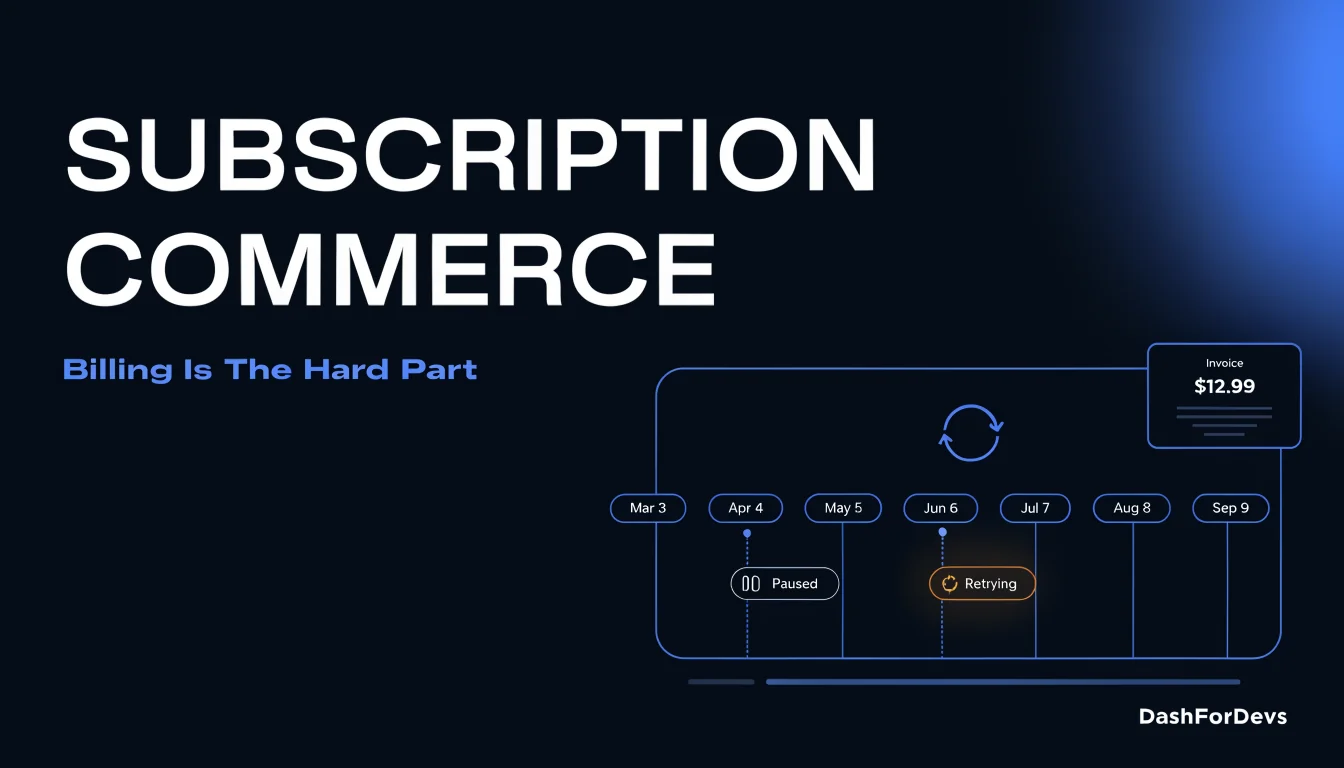
- Subscriptions and recurring billing: the gap between signup and the next charge is where disputes come from. See subscription ecommerce platforms.
- Pay now, deliver later: preorders, custom work, travel and events.
- High tickets or sudden volume: large single orders, or a jump from a quiet month to a busy one.
- A history of disputes: a chargeback ratio above what the card networks tolerate puts you in monitoring programs with their own fees.
What It Costs
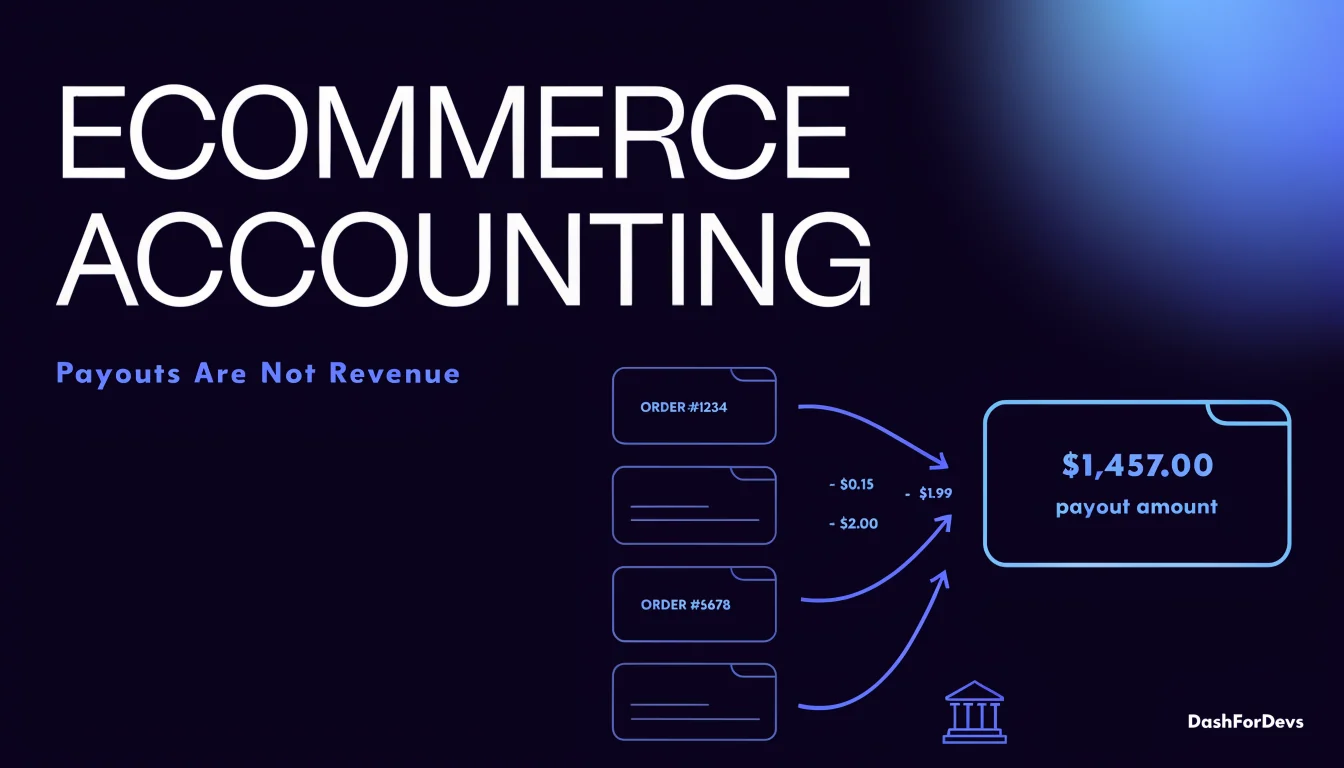
Expect higher per transaction rates than a standard account, a rolling reserve where part of each payout is held for a period, monthly minimums or gateway fees, and longer onboarding with more documents. The reserve hurts the most because it is your money, held, and it changes cash flow even when the rate looks fine. Ask for the reserve percentage, the hold period and the conditions for reducing it in writing before you sign.
How To Get Approved And Stay Approved
- Declare exactly what you sell. Applying to a processor that excludes your category and hoping nobody reads the catalog is how accounts get frozen with money inside.
- Have the paperwork ready: business formation documents, bank statements, previous processing statements, product lists and, for hemp, lab reports for each product.
- Make the site look like a real business: clear contact details, refund and shipping policies, terms, age gates where required and accurate product pages.
- Use a billing descriptor customers recognize. The name on the card statement should match the store name.
- Keep disputes low from day one. My chargeback prevention guide covers the fixes that matter, most of which are operational rather than fraud tools.
- Keep a backup processor. One processor is a single point of failure for the whole business.
Fraud Tools That Help Underwriters Say Yes
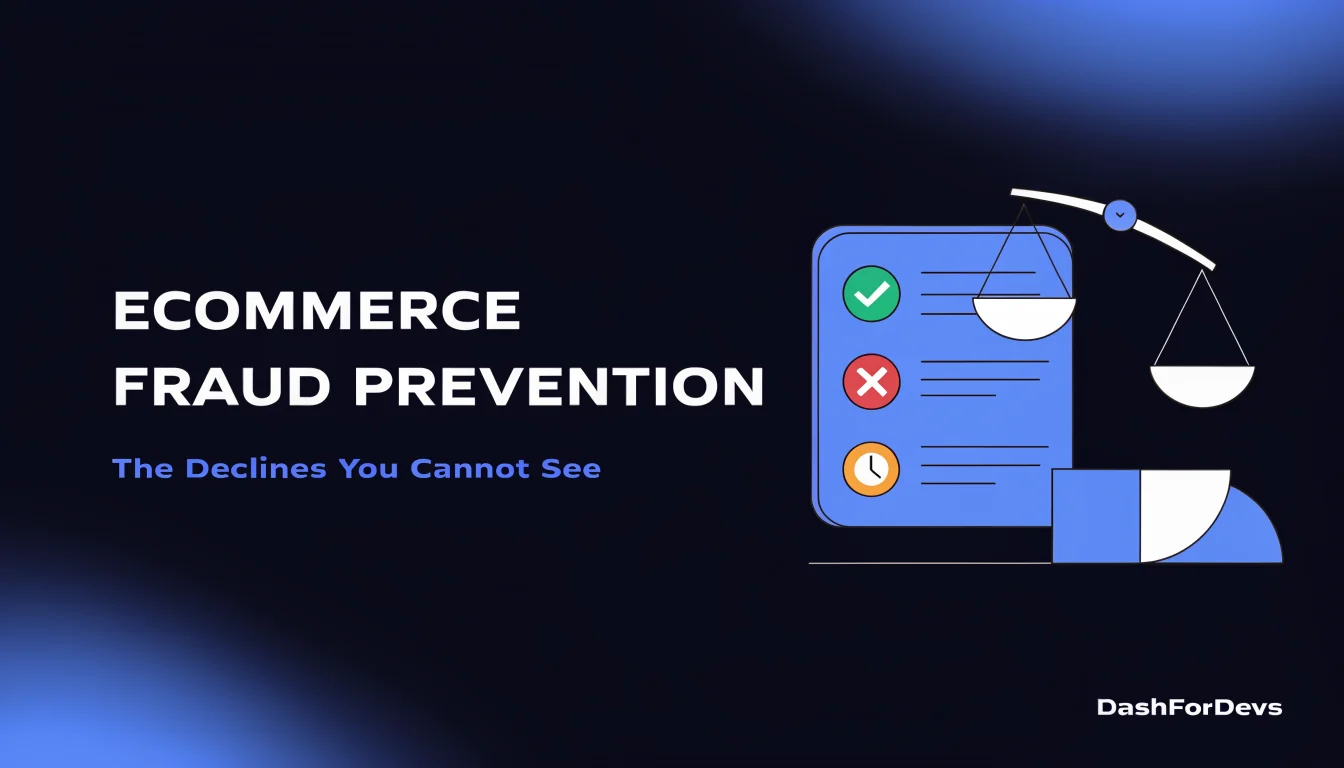
Underwriters like to see fraud screening in the order flow. Authorize.net, for example, includes its Advanced Fraud Detection Suite with every plan, with 13 configurable filters that can hold an order for review, decline it or process it and flag it. Holding a risky order before you ship costs far less than fighting the chargeback after. More on that in ecommerce fraud prevention, and on card data rules in PCI compliance.
Where DashForDevs Fits
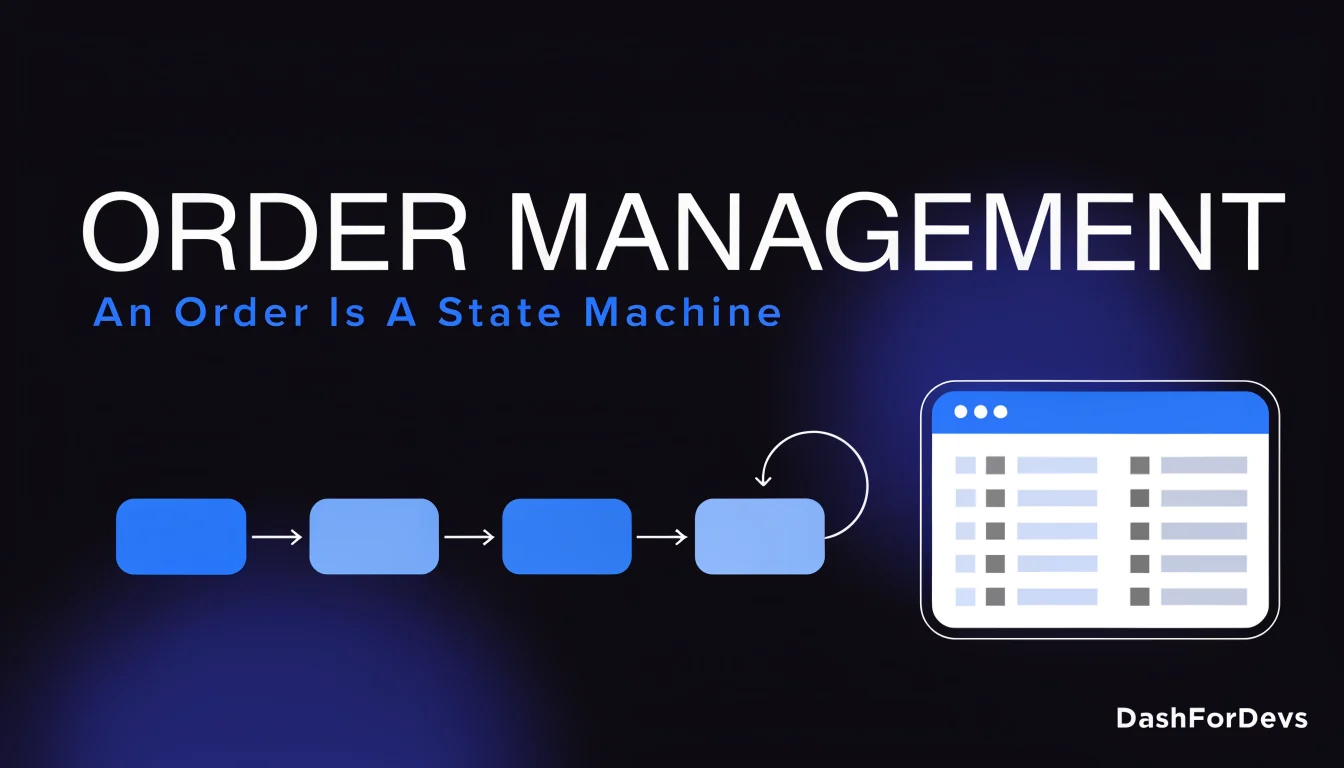
DashForDevs was built with these categories in mind. Payments run through Authorize.net with authorize then capture, fraud holds arrive as a review state on the order, lab reports attach to the product, and state shipping rules are checked before an order exists. The details are on built for high risk verticals. Orders, holds and refunds all live in one place, which is the subject of order management software.
We are not a processor and we do not underwrite you. Approval is between you and the bank. What we do is give you a store that a high risk processor is comfortable with, and that does not get switched off when somebody reads the catalog. See pricing, or ask about your category.